From Architecture to UX
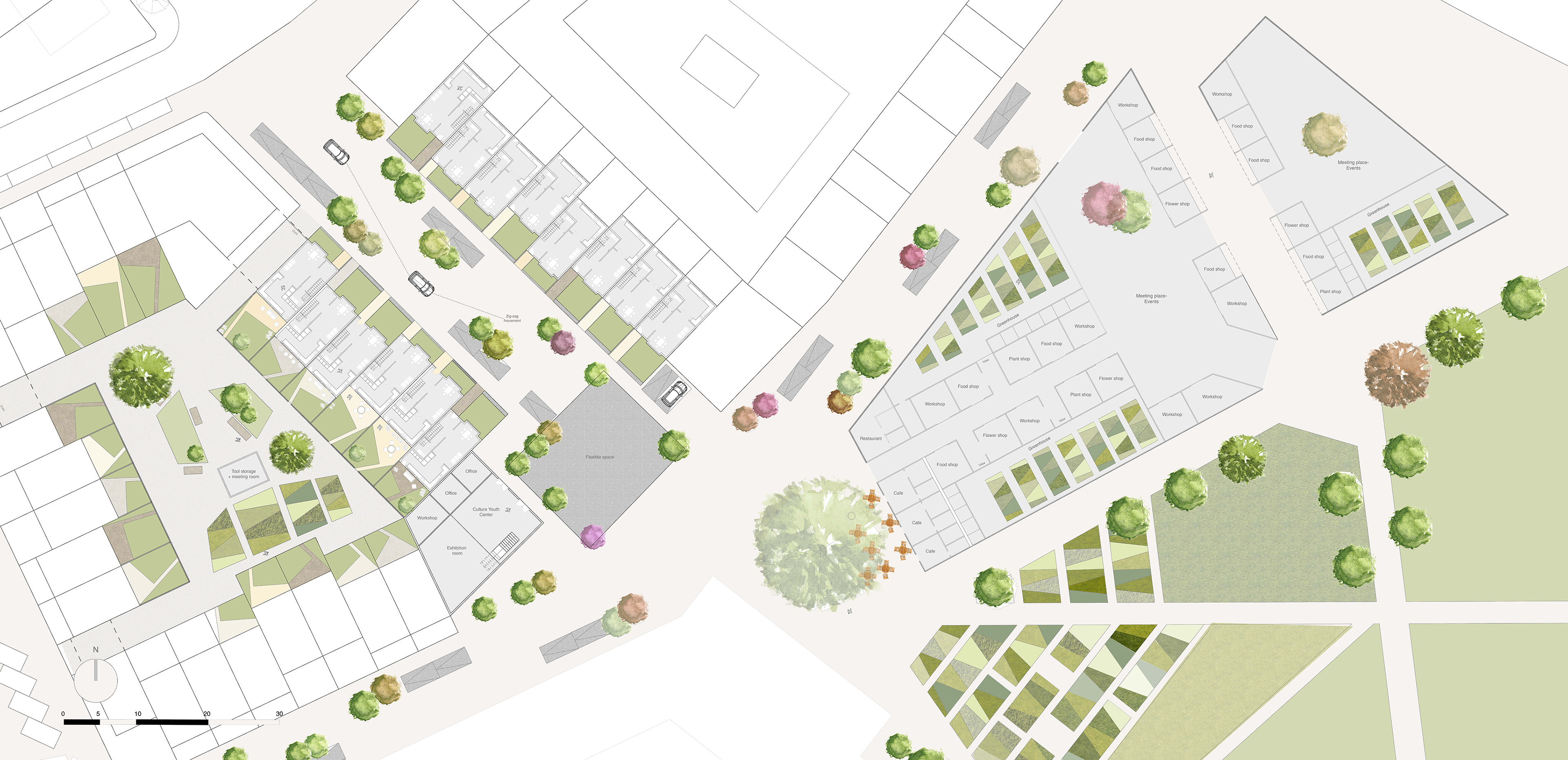
Urban design project, 2016.
Many architects move into UX, and I’ve been asked by quite a few people about what that transition is really like. Does it make sense? How many of the skills used in architecture can actually be translated into UX?
To that, I say: it makes a lot of sense. Most of the skills are not only transferable but highly valuable.
After studying and working as an architect, a profession that is quite traditional, and then moving into a more digital career, I realized how much spatial thinking translates into the digital space. In architecture, you think about usability, but also about the experience of a space. A lot of that comes from careful study: human scale, accessibility, and universal needs. Then there’s the client’s vision, what they want to achieve, alongside your own perspective as a designer: the concept, the intention, the style.
You can translate all of this into UX. You start with a set of requirements that need to take shape as a digital product by understanding the user and creating interfaces and interactions that lead to an experience. Just like in architecture, designers bring their own vision and concept, and the same set of requirements can result in very different outcomes depending on who designs them.
Architects deal with complexity every day, whether it’s inside a single building, across a neighborhood, or at the scale of an entire city. They’re used to making sure lots of moving parts come together in a way that actually works and feels right. Along the way, they have to balance technical challenges, accessibility needs, regulations, and business goals. That way of thinking, seeing the big picture while handling the details, makes it easier to step into the world of digital projects and complex software systems.
UX design places a strong focus (of course) on understanding users and creating the best possible solutions for them. In architecture, this is only one part of the process, and actually not always the most prioritized, interestingly. That became very clear to me during my transition. Learning about user experience felt like discovering something that had been missing, and I tried to apply those ideas to my architecture projects.
Now, four years into UX, I often go back to concepts I learned in architecture and draw parallels with digital products. Because UX cares so much about users, I feel there’s still more we can explore. Beyond functionality and well-crafted solutions, how can we take digital experiences to the next level?
That’s the question I’m currently exploring. And I’m starting to see UX move in a direction that feels quite familiar, closer to architecture, with more emphasis on conceptualization, meaning, and even philosophy. And that makes me really excited.
April 2026
Cross-functional collaboration
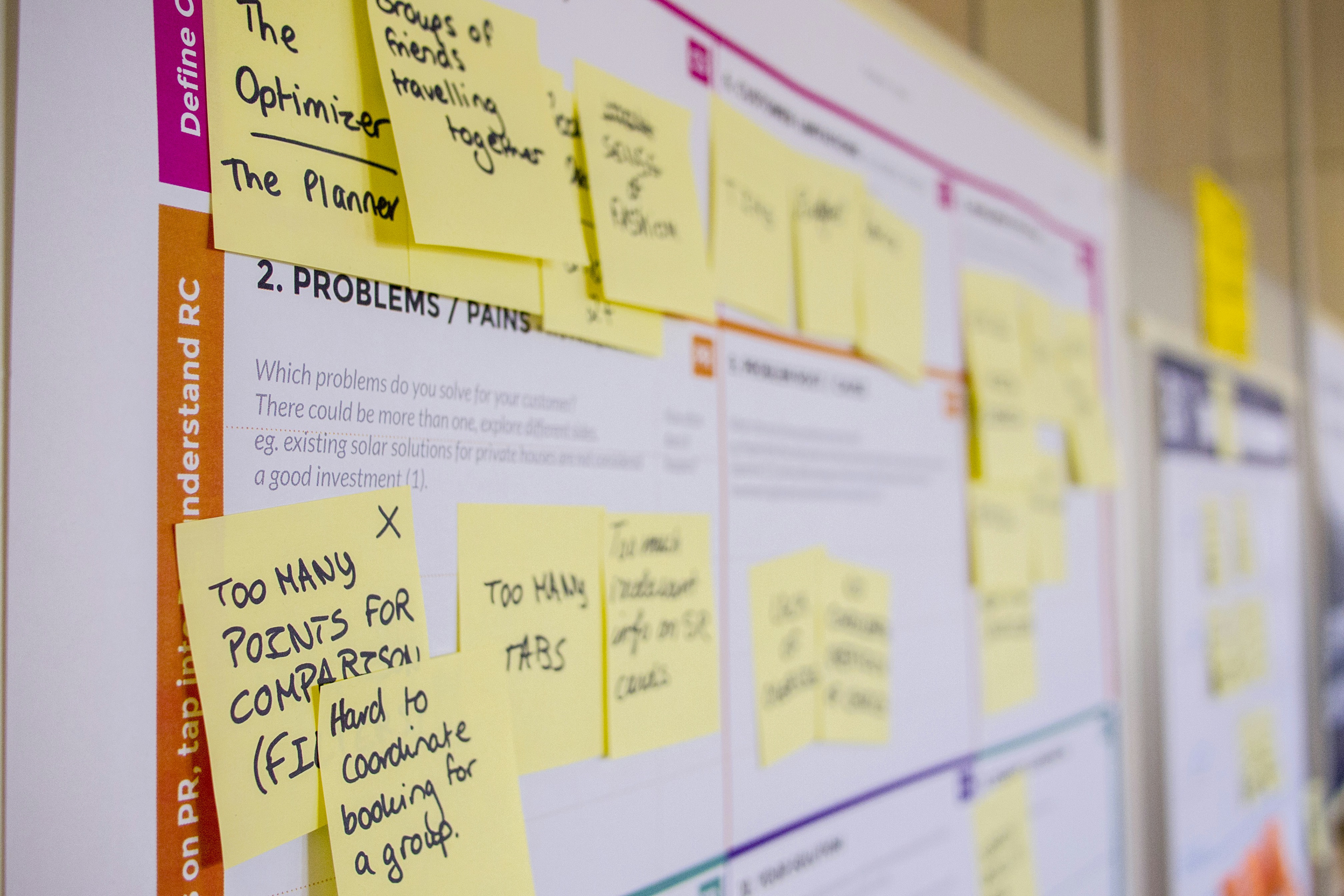
Working as a designer in startups, I often collaborate with diverse teams—developers, product owners, sales, management, etc., as opposed to teams of only designers. This mix offers great experiences but also comes with its challenges. In this post, I would like to share a few key points that I have learned over the years that have helped me improve the way I work in cross-functional teams, particularly with developers, to achieve the best results.
Tackling Challenges
A common issue I have experienced working with developers is that they may not fully understand UX decisions, and that, as a designer, I might not be aware of the technical constraints in each project. This disconnect often leads to friction and delays in project progress.
Here are some strategies that have helped me improve collaboration:
1. Scheduled Collaborative Meetings
Scheduling meetings after an initial period of individual reflection on a task or project allows team members to come prepared with ideas and questions.
Once in the meeting, start by clearly defining the task at hand and most importantly, the goal. During the meeting, each team member presents their perspective—designers from a user experience standpoint, backed by data, and developers from a technical feasibility standpoint. This exchange helps understand insights and viewpoints that might otherwise be missed.
Result: Through this process, we often find common grounds and create solutions that satisfy both design and technical requirements, which improve mutual understanding and teamwork.
2. Emphasising the ‘Why’
Clear communication about the thinking behind design decisions helps developers understand the importance of certain features or elements.
In a collaborative meeting, always present design proposals with supporting data and a clear explanation of the user benefits. This approach helps bridge the gap between design and development by highlighting the user-centric reasoning behind design choices.
Result: Developers are more likely to see the value in UX considerations, leading to more collaborative problem-solving.
3. Continuous Integrated Workflows
Working together along the design and development process prevents misunderstandings and inefficiencies.
Instead of handing finished designs off to developers without discussion, I like to engage in a continuous dialogue. Share wireframes and prototypes early and seek feedback from the development team throughout the design process. This might sound like a lot of time expenditure, but in the end, saves time by avoiding redoing designs.
Result: This integrated approach prevents last-minute roadblocks and ensures that design and technical aspects evolve together, resulting in more feasible and user-friendly solutions.
Conclusion
Collaborating in cross-functional teams can be challenging but is also rewarding. By holding regular meetings, explaining design choices, and integrating workflows, teams can work better together.
Using these strategies helped me break down barriers, improve understanding, and achieve common goals more effectively. Happy collaborating!
October 2024
User Solutions vs User Needs

Welcome to my Insights blog! In this inaugural post, I want to discuss a misconception surrounding the role of UX research, inspired by a recent conversation I had with the CEO of a startup in Stockholm. UX research is part of the design thinking process whose goal is to understand (using different methodologies) the user's motivations, needs, and behaviors, to create a product or service that is usable, enjoyable, and successful in the market.
During our discussion about the company's product and ongoing improvements, I asked about their user engagement strategies, since I'm always interested in learning from different methodologies. To my surprise, the CEO remarked, "We don't talk to the users." Naturally, I was intrigued. "Why not?" I asked. His response was a common refrain: "Because they don't know what they want!"
At this point, it's crucial to clarify the essence of UX research. Contrary to popular belief, we're not in the business of soliciting users for solutions. Instead, our focus lies in comprehending their challenges, workflows, and needs. Our task is to create solutions based on this deep understanding.
This misconception often leads industry stakeholders, including CEOs, to dismiss user engagement altogether, an ill-advised move if you're aiming for product success. While you may have a brilliant idea, it's essential to align it with user preferences and behaviors. Failure to understand their motivations, preferences, and mental models can result in a product that falls short of delivering value.
That's where UX research truly stands out. It offers invaluable insights into user perspectives, empowering organizations to tailor their offerings effectively. This is why, it's imperative for more companies to grasp the essence of UX research and integrate it into their development processes.
Thank you for reading! 😊
March 2024